

4 Shocking Takeaways from the Night Celtic FC Imploded
Introduction: More Than Just a Manager’s Exit
In football, the departure of a manager is a familiar, almost routine, part of the news cycle. Bad results, transfer disagreements, or the lure of a bigger club—these reasons are common. The club releases a statement, the manager thanks the fans, and everyone moves on. But the departure of Brendan Rodgers from Celtic was anything but ordinary.
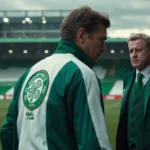
When the club shared that Rodgers had resigned, it was big news. But the real drama, the part that shook Celtic “to its very core,” began just 15 minutes later. What happened next wasn’t a professional farewell. Instead, it was a public breakdown, sparked by a harsh remark from the club’s leaders. An unexpected personal attack turned a manager’s exit into a major public meltdown. This incident exposed serious problems within the club.
——————————————————————————–
1. A shareholder, not the CEO, launched a scathing public attack.
The biggest shock wasn’t that Celtic criticized their leaving manager, but who did it. Just minutes after Rodgers’ resignation, the club shared another statement. This one came from major shareholder Dermot Desmond. It was a lengthy and scathing personal attack on the man who had just left the dugout.
Desmond accused Rodgers of creating a “toxic atmosphere.” He called Rodgers “divisive, misleading, and self-serving.” He said the manager’s recent failures were due to a need for “self-preservation.” This wasn’t a corporate statement; it was a verbal battle. What makes this so extraordinary is Desmond’s position. He is not the CEO or the chairman; he is a “non-executive director with 34.7% of the shareholding.” He used official club channels to make a personal attack. Meanwhile, CEO Michael Nicholson and chairman Peter Lawwell stayed silent. As one pundit noted, the statement itself was the most toxic part of the entire episode.
“That statement from Dermit Desmond last night was disgraceful. Nothing is more toxic.” — Paul John Dykes, A Celtic State of Mind.
——————————————————————————–
2. The man blamed for toxicity was a victim of it. Celtic
In a twist of irony, the board blamed Rodgers for the club’s issues. Fans and experts say the main issue is “leadership from the boardroom.” It’s not just about one bad transfer window. It’s a long-standing issue. The board’s interference in football matters goes back decades.”
The attack on Rodgers ignored his significant success at the club. This is a manager who has won “trebles” and has “never failed to win the league” during his tenures. His recent frustration led to his departure. This came from the board not replacing key players. They lost “125 goals and assists from last season.” So, Rodgers faced criticism for wanting to “bring in quality” and build on the team’s success. The main question is simple: what’s wrong with a manager wanting to help his team?
——————————————————————————–
3. The interim manager had no idea he was getting the job.
The club’s response to Rodgers’ departure revealed a startling lack of planning. In a surprising turn, the club named 73-year-old legend Martin O’Neal as interim manager. This comes 25 years after he first took charge of the club. The decision was sudden and “knee-jerk.” O’Neal seemed unaware that it was coming.

O’Neal confirmed that he was only “called late last night about this.” The strongest proof of his surprise was that just the day before, he was a guest on Talk Sport. He talked about another team’s chances in the Scottish Premiership. It’s almost certain he had no clue he would be Celtic’s interim manager by nightfall. This sudden appointment of a hero from the past shows the club’s weak leadership. It highlights their lack of stability and foresight during a serious crisis.
——————————————————————————–
4. The Club Keeps Going ‘Back to the Well’ for Its Heroes
The emergency call to Martin O’Neill shows a common trend at Celtic. They often re-hire former managers instead of looking for new talent. One analyst pointed out that this is a familiar route for the club. Brendan Rodgers has managed twice. Neil Lennon has also been a manager two times. Now, Martin O’Neill is in his second stint too. The cycle of nostalgia among managers continues. Former manager Ange Postecoglou is now the bookies’ top pick for the job.
While this may seem like a tribute to past glories, it also suggests a “lack of ideas” at the board level. The club keeps turning to familiar faces. They aren’t looking all over Europe and beyond for the best candidate. Celtic’s heroes, including managers and players, will eventually move on. This is widely accepted. It’s now normal for a star to stay two or three years before leaving. This shows the club accepts its role as a stepping stone, not a final destination.
——————————————————————————–
Conclusion: A Club at War with Itself
The team has overshadowed the manager’s departure. A shareholder has a personal grudge. An interim appointment is causing chaos. Now, the fanbase is in conflict with the board. This club is in conflict with itself. By making it public and personal, the leadership has taken a huge risk. This could hurt the team’s chances of winning the title.
The boardroom is now turning on its own dugout. So, the question isn’t just about who will manage Celtic anymore. The more pressing question is, who is truly in control of the club’s future?