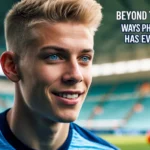


More Than a Trophy: 4 Powerful Lessons from Alessia Russo’s Mission to Keep Girls in Football, Alessia Russo
Youth sports bring to mind busy fields filled with kids. They learn teamwork and persistence while having fun. But for many young girls, this picture fades as it’s coming into focus. Girls often stop participating in sports during their early teens. This sharp decline sidelines many potential athletes. In response, a powerful new coalition has formed to tackle this problem head-on. The Alessia Cup, from the Alessia Russo Foundation and Goals for Girls, partners with Sky. It teaches valuable lessons on supporting and empowering the next generation.
1. A 280-million-hour problem
This initiative highlights a big gap in sports participation between boys and girls. It’s not a minor gap; it’s a chasm measured in millions of hours of missed opportunities. This data provides the core motivation for the event. A representative from Goals for Girls shared some tough numbers:
“280 million you know hours of sport is is missed and that is like the difference between the boys and the females and for us if we can bridge that gap and ensure a generation of girls are not left behind through doing events like this…”
This statistic shifts the focus. Russo uses her star power to enhance the data-driven work of local organizations. It shows that events like the Alessia Cup are essential. They help ensure that no girl in this generation is left behind.
2. It’s All About the “Crucial Age” Alessia Russo
The tournament took place at the New River Leisure Centre in Tottenham. It gathered more than 180 girls, ages 12 to 14, from schools in North and East London. This isn’t an arbitrary range. It’s a careful choice. It aims at the exact time when “girls’ sports participation drops the most.””
This targeted approach shows a deep understanding of the problem. The Alessia Cup targets specific moments when girls need support, community, and inspiration. Instead of a one-size-fits-all approach, it focuses its energy on helping them stay in the game.
3. You can’t be what you can’t see
Alessia Russo looks back on her journey. She credits her success to a great support system made up of family, teachers, and coaches. She highlights the importance of visible role models. Many young girls in sports still don’t have enough of them.

“…having role models people that you can look up to um and can see yourself in um and I hope that these girls have that and even if today’s maybe a couple of girls have seen that then that’s amazing to me…”
Her presence at the event makes it more than just a famous tournament. It creates a real connection between the girls and their idol. It shows that success is possible and their dreams matter.
4. From “A Bit Scary” to “My Whole Life”
Perhaps the most compelling insight comes directly from the young athletes themselves. One participant shared a common fear. She said that starting the sport can feel “a bit scary” for girls.”
This initial fear, however, gives way to a profound sense of identity and purpose once on the pitch. The player’s journey from fear to passion shows how powerful participation can be. Here’s her story in her own words:
“…once I’m in the game my head’s in it like I’m in a different world i don’t know what I’d do without it now cuz once now I’ve started playing I don’t know what I would do without it yeah… it’s like my whole life”
This emotional journey shifts from fear to finding “my whole life.” The Alessia Cup aims to help girls confront their fears and find their true identities.
A Final Thought
Initiatives like the Alessia Cup prove that football can be much more than just a game. It is an essential platform for empowerment. It helps build confidence and shapes identity during a key stage in life. Goals for Girls, a foundation for athletes, teamed up with media partner Sky. This collaboration makes a strong plan for real change.
Think about what girls could achieve if support and visibility were normal. One tournament shows just how much is possible.